

The MA's take:
Phoebe Fraser, news editor:
It has already come a long way. When I worked in kitchens six or seven years ago, the environment felt very different to what I see now. Through my interviews, I speak to chefs who are consciously building supportive, respectful teams across genders.
Continuing to prioritise that culture, and calling out poor behaviour early, is key.
Rebecca Weller, senior reporter:
In my experience, the hospitality and journalism industry are both still quite male dominated, meaning often women have to ‘act like a man’ to get ahead. Women are incredibly strong and resilient, it is literally in our DNA, but breaking down ingrained gender bias is essential.
If I had the answer to how we can do that I would be a millionaire!
Robyn Simmons, social media executive:
Hospitality staff, particularly women, can face inappropriate comments or unwanted attention from customers. Because the industry is so customer focused, there can be pressure to keep the guests happy rather than challenge the behaviour.
To improve this, businesses need to make it clear that staff safety comes first. Reporting processes, managers being trained to handle complaints and take them seriously and strong messaging that this behaviour will not be tolerated would help employees to feel more confident and more likely to stay within the industry. I think that I would have stayed in my waitressing job a lot longer if all of these systems were in place back then.
Nikkie Thatcher, deputy editor:
A combination of continuing to prioritise growth to ensure women are in senior positions across the business alongside stamping out any form of inequality, making it clear unacceptable behaviour will not be tolerated. Both of these have definitely increased in recent years but there's still more work to do.
Alice Bowyer, director of food & drink, Liberation Group:
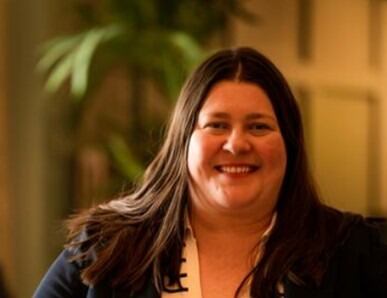
The sector can improve by focusing on practical, measurable actions: transparent pay structures, clearer progression pathways, flexible working where possible, and strong mentorship or sponsorship programmes.
Representation also matters - seeing diverse leadership helps shift expectations and culture.
Most importantly, equality needs to be embedded into everyday decision-making, not treated as a one-off initiative, as much as that might highlight the issue once a year for International Women’s Day!
Cathy Olver, retail director, Star Pubs:

We need to identify high-potential women early and support them consistently throughout their careers. That support must go beyond mentoring - it should include active sponsorship, advocacy, and confidence-building from both female and male allies.
Creating visible pathways to senior roles, offering stretch opportunities, and ensuring women are encouraged at each stage of progression will make a real difference.
Jo O’Brien, publican at Hobs Meadow, Solihull:

The corporate side of the pub industry is mainly male led at the top. Having more women in senior positions would benefit the industry.
Examples of women succeeding in the pub industry in all areas should be publicised more.
Mentoring programmes with successful women speaking honestly and truthfully about how they got where they have and the impact on their personal life should be established. We all know we have to make sacrifices but examples of women who have succeeded in their career would be great.
Vicky Colclough, managing director, Joule’s Brewery:

By being intentional about progression. Clear pathways, fair promotion and backing people.
I believe in developing your own talent, so showcasing internal development opportunities to every employee is important, getting the right people in the right places to ensure they thrive.
Visibility also matters – the more women people see running breweries, leading pub estates or heading up businesses, the more normal it becomes. That shift happens through everyday decisions, not just policies.
Karen Errington, operator of the Rat Inn, Anick, Northumberland:

There is a huge under-representation of women in leadership roles so continuing to highlight successful women and women leaders in the industry will help to break the stereotypical view.
The more women in our sector we celebrate, the more we will see women working in the industry(especially in kitchens) as a norm.
This will give young girls considering a career in hospitality the confidence to apply for jobs in what has been traditionally seen as a male dominated industry.
As employers we need to keep the dialogue going with employees, trying to understand and adapt when possible and trying to create an inclusive working environment where both women and men can thrive.
Ayesha Kalaji, chef-proprietor, Queen of Cups:
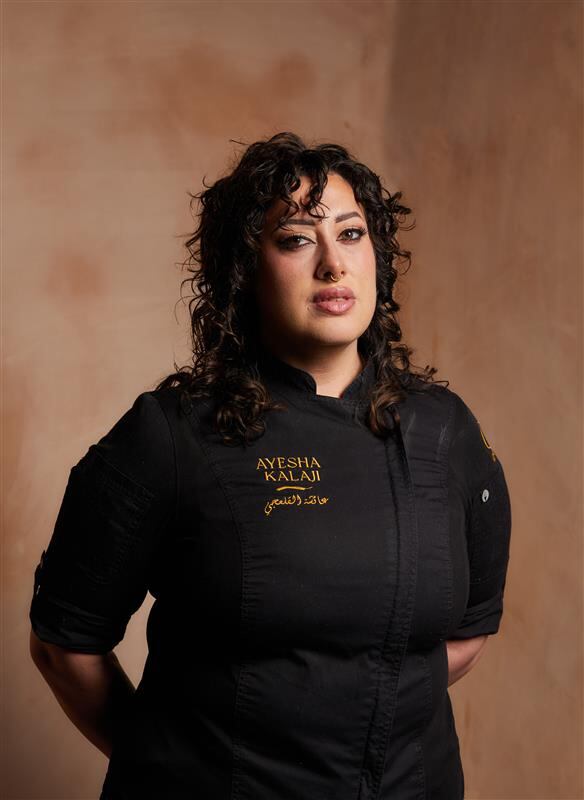
Short of overhauling societal biases at their core, there are smaller actions that can impact equality in kitchens. Some recent research on wages shows women still earn less than men in the industry. It is 2026!
Women have to feel welcome in kitchens and not intimidated by the concept of walking into a boys’ club. The laddish culture still needs to be challenged. We’re here to cook, to produce excellent food, not to question whether we are welcome in the kitchen.
We need to continue to celebrate the incredible women leading the way in the kitchens, who have carved their places through hard work and merit. Some 17% of head chefs in the UK are women, with less than 8% of Michelin starred head chefs being women. We need to challenge why women are not being promoted but also address why there are fewer women in kitchens generally.
Harassment and misogyny still exist, childcare issues are still prohibitive for many, the media continues to frame women in more domestic roles. These all need to be challenged. Employers need to look at their policies, listen to their team, create healthy equal cultures, and we must continue to celebrate all the incredible women in the industry.
We also need to stop celebrating chefs who are sexist and abusive. Just because a chef has stars, it doesn’t mean they can proliferate outdated views.
Molly Davis, head of communications, British Institute of Innkeeping:
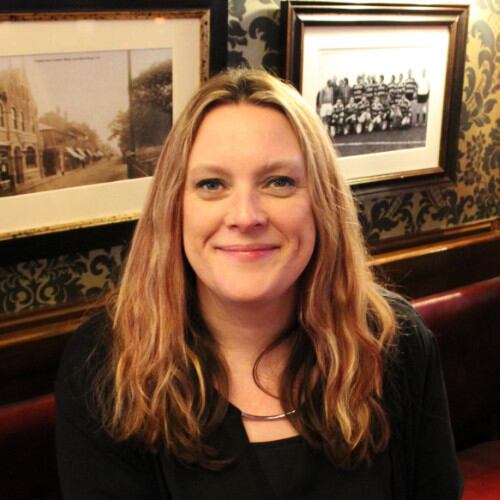
This is also tough – I can see the massive positive changes that have happened in our sector in the nine years I have been at the BII. We are having more conversations than ever before about mental health, life/work balance (Katy Moses, that was for you!) and changing the image of hospitality to bring us more up to date for the next generation of talent coming through.
There are more female and young licensees running pubs, a huge shift in attitudes to neurodivergence and more, but there is still a huge undercurrent, if you look for it, of inequality. Whichever side of the debate you are about women’s rights (for clarity, as a staunch feminist, I would rather have a lovely bathroom chat about mascara with a trans woman than see another JK Rowling tweet.)
I think we need to approach that with a fresh pair of eyes, looking at everyone on their own merits and being open to the possibility that someone with 30 years less experience or a different background than you, might just have a better way of doing things! Equality and equity for me are about being kinder to each other, raising brilliant people up and letting those who don’t agree go on their merry way.
Emma McClarkin, BBPA CEO:

We need real change from root to tip and that requires an honest reflection of where we’re falling short and what needs to be improved to ensure we are truly open to all.
Then we need to look at solutions that are informed by those who are disadvantaged. We also need to see flexible working that takes into account a life/ work balance and the caring responsibilities that many women have, in order to create conditions that allow women to thrive. The pipeline exists; we just need to open the taps.
Helen Sprason, managed pub area manager, St Austell:

I think there are some really simple, practical steps our sector can continue to build on. One of the most powerful is cross‑sector mentoring. And for me, this isn’t just about women mentoring women, it’s much bigger than that.
When we open up mentoring to include different industries, different backgrounds and different lived experiences, it broadens perspectives for everyone involved. We’re also starting to see the value of forums and cross‑industry collaboration, where diverse groups can come together to share ideas, challenges and solutions.
Sustainability forums have already shown how effective this approach can be, bringing together people with different expertise, priorities and perspectives, to drive change. There’s a huge opportunity for wider directors in hospitality to lean into this model and apply the same principles to equality and leadership development.
Another key area is social mobility. Encouraging people to step outside their comfort zones, and creating environments where that feels safe and supported, can make a real difference. When teams feel empowered to stretch themselves, it opens up progression opportunities for individuals who might never have imagined themselves in certain roles.
Finally, true progress comes when strategy isn’t created in isolation. Building equality strategies with input from all teams, at all levels, not just at the top, ensures the actions taken reflect the real experiences and needs of the people within the business. That collective ownership supports wider movement and creates a culture where equality isn’t a project, but a shared commitment embedded into how we work.
Jen Sloyan, CFO Valiant Pubs:

First and foremost, I believe roles should always be awarded on merit. A woman should never be appointed simply because she is a woman — capability and performance must remain the standard.
From my experience, diverse and inclusive teams tend to perform better because they bring together different perspectives, ideas, and approaches to problem-solving. Balanced leadership often leads to stronger decisions and better outcomes. The question isn’t whether balance matters, but how we facilitate it.
The industry has already taken important steps. COVID accelerated flexible working models, which has opened doors that previously felt closed. Continuing to build on flexibility, parental support, mentorship programmes and structured networking opportunities will be critical.
There is also growing momentum around female leadership forums and cross-industry mentorship schemes. Creating clear development pathways and visible role models ensures that ambition feels achievable — not theoretical.
Dawn Browne, chief people officer, Fuller’s:

The intention is there at every level and I do believe that most hospitality businesses know the value of having a diverse team.
The barriers holding many women back now are practical – for example, access to childcare.
Most childcare is available from 8am to 6pm, Monday to Friday, but that’s no good for someone who wants to work in hospitality. That’s quite a big problem to solve and sadly, I think we are some way off. It’s particularly relevant for our sector as so often both partners in a relationship will work in hospitality.
Linda Kennedy, director of investment and growth - property, Punch:

Continue to celebrate gender diversity within leadership teams – we all want role models. Encourage businesses to call out gender bias when it occurs and explore different ways of working.
How can the hospitality workplace become more flexible to create more opportunities for those with life balance. Run programmes that encourage diverse talent to strive with intention – mentoring, coaching, advocating all have a part to play.
Karen de Koning, GM at Grove of Narberth:

To improve equality across the sector, we need to start by creating environments where people feel genuinely safe to speak up. Real change only happens when inappropriate behaviour is addressed openly and without fear of consequences. Building that kind of culture takes consistency, strong leadership, and a clear message that everyone’s voice matters.
Education is another essential pillar. Ongoing training can help teams to understand what equality looks like in practice and why it matters. When people are informed, supported, and empowered, behaviour across the workplace naturally begins to shift.
It’s also important to recognise that men play a crucial role in driving this change. Equality isn’t just a “women’s issue”, it’s something the whole sector needs to stand behind. When men call out outdated behaviour, support their colleagues, and challenge the assumptions that have been around for far too long, it creates a stronger, more united culture. Real progress happens when everyone, regardless of gender, feels responsible for shaping a respectful and inclusive workplace.
Kim Toft, Co-Owner of Daddy Marmalades:
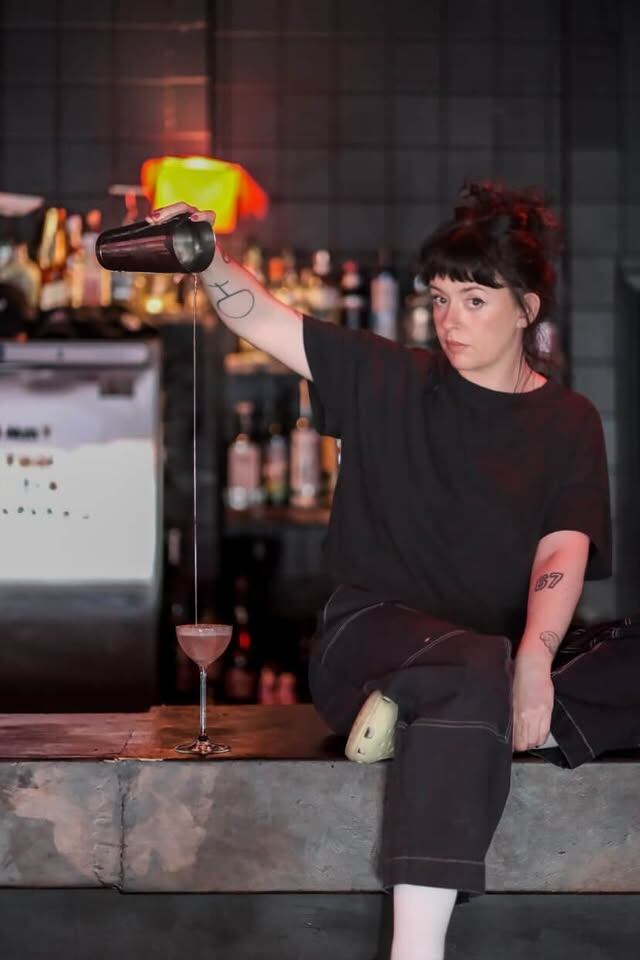
I think this is a question women in our industry get asked every year, and we give the same answers every year.
I think it would be great to hear what a lot of the men with massive platforms in our industry think, and until they actually start to care about equity & equality in our industry, it’s going to feel like going around in circles, because most women are already on the same page.
Gemma Persechino, general manager of Dog and Pickle:
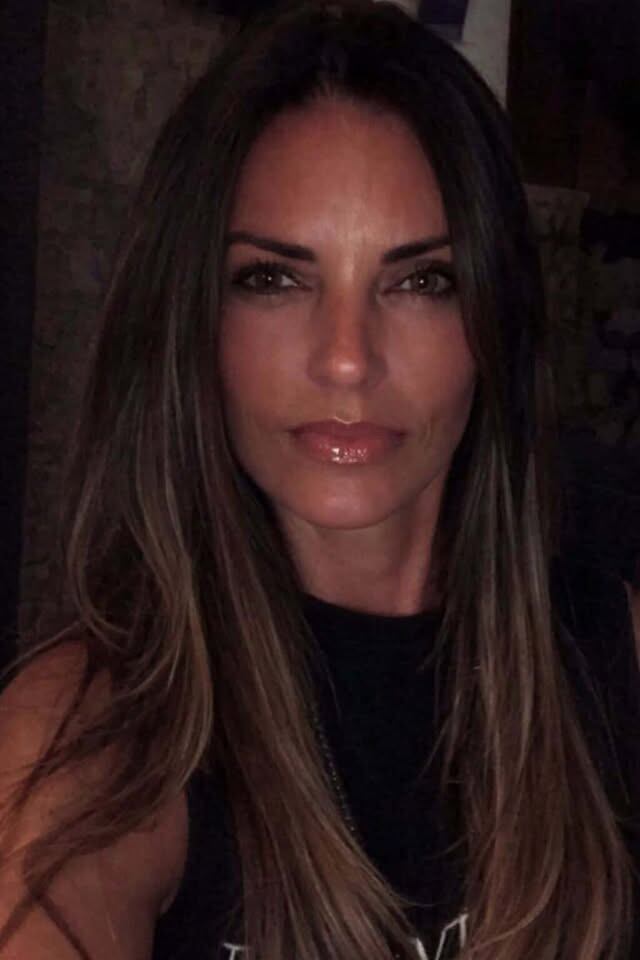
If I’m honest? The sector doesn’t need a total rebuild — it needs accountability and courage. Hospitality is actually brilliant at adapting (it survived pandemics, inflation, labour shortages…). It can adapt culturally too.
Justine Lorriman, licensee of the Royal Dyche in Burnley, Lancashire:

You still feel that ‘old-school culture’ in parts of the sector, where leadership has traditionally been male-dominated. I’d love to see more females in leadership and ownership roles. Flexible working structures, having a clear path to these leadership roles and encouragement for these roles are just the simple things our sector can do.
Nina Matsunaga, chef/operator at the Black Bull at Sedbergh:

More positive exposure of women In the industry. More inclusivity though separate changing spaces, for example.
I work in the kitchen, which I think is physically quite challenging. It is out front on the waitressing side as well, but less so in, say, reception. So, I think when a woman decides to get pregnant, there is an understanding that the kitchen will not be a viable workspace unless you own the kitchen.
Katie Baldock, operator of the Bird in the Hand in Princes Risborough:

Having more women in higher positions in the industry is one way of achieving equality. I think having males and females making the bigger decisions and coaching the next leaders will create a more balanced industry.
Nicola Tickle, co-owner of Heft in Cumbria:

Equality would improve if that alternative perspective were provided. Women do tend to be the main caregivers for children, so allowing for some flexibility in working will help retain some brilliant people in the workforce for longer.
Charley O’Toole, chief of staff, Chestnut Group:

- Clear and structured pathways to leadership, not just vague encouragement about progression
- Flexible scheduling models that do not punish women for being primary caregivers. Flexibility must be seen as a leadership enabler, not a lack of commitment
- Active mentorship programs that pair women with leaders who can advocate for them and open doors to opportunities
- Transparent promotion criteria are essential so that advancement is based on measurable performance and potential. Not on visibility, or who shouts the loudest
Georgina Young, brewing director and head brewer, St Austell Brewery:
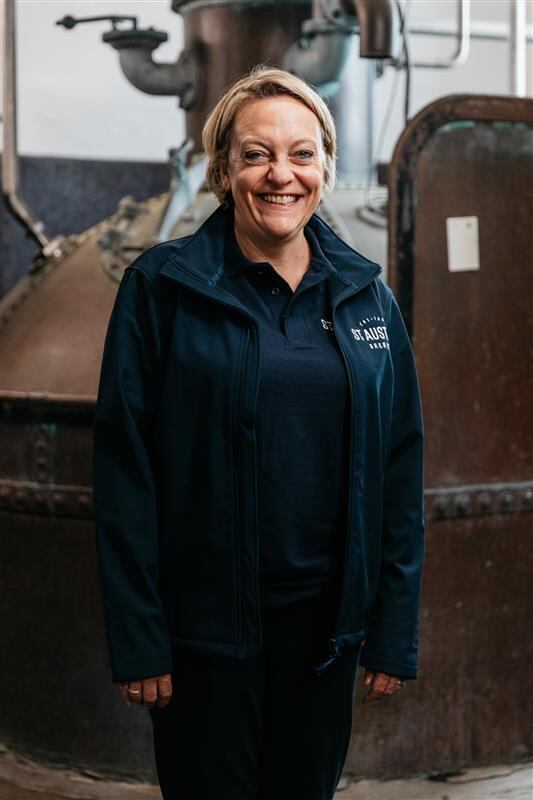
The challenges are well understood, brewing is physically demanding, the hours can be long, and there’s a lot of process.
To improve equality, we need to continue creating working environments that are genuinely supportive and flexible, so roles are sustainable for everyone. That means investing in training, making sure progression pathways are clear, and recognising that ability isn’t defined by physical strength.
The more we make the industry accessible, the more talent we’ll attract and retain.
Emma Heal, managing director, Lucky Saint:

We need to level the playing field on parental leave and flexible working. It must be normal for men to take time out, without it harming women’s careers.
We also need to broaden what leadership looks like. Celebrate different styles. Show leaders who succeed at work and sustain fulfilling lives. Visibility matters.
Jacqueline Fox, co-director of the Barrelman in Dundee and Bruach in Broughty Ferry

The sector improves when those in positions of leadership take active responsibility for opening doors. This isn’t just about filling vacancies; it’s about ensuring women have a seat at the table where their voices are truly heard, allowing them to make a tangible impact and drive the decisions that shape the future of our industry.
I also believe industry bodies have a massive role to play by highlighting women more effectively.
Nationally recognising those who are breaking that ceiling through public relations and multi-media campaigns would go a long way in shifting society’s perceptions. My husband and I see our business as a platform where we can boost people into the positions they deserve.
If every business owner made it their mission to develop equality within their own four walls, the industry-wide change would be massive. It starts with the small, daily decisions to champion your team.
Claire Cleland, property manager for Star Pubs

It’s all about girls seeing women carrying out roles of every kind, so that it’s normalised and they know there’s an opportunity for them.
I’d love the property and construction industries to promote jobs to girls in schools, colleges and universities.
I think the pub trade has made great strides at this - but the good work needs to carry on. Female role models are essential, which is why International Women’s Day is such a positive event. It showcases all the avenues open to women.
