

The MA's take:
Phoebe Fraser, news editor:
There has been clear progress, particularly in visibility and leadership. More women are leading businesses, shaping menus and influencing strategy. But progress is uneven, and experience can still vary widely depending on where you work. Industry events and conferences can still feel quite insular at times.
Established networks often gravitate towards familiar circles, which can unintentionally make those spaces harder to navigate for younger professionals and women coming up through the sector. A more conscious effort from senior leaders to engage beyond their usual networks would make a real difference to how inclusive and accessible those environments feel.
Rebecca Weller, senior reporter:
There is always more that can be done but things are a lot different now. I feel much more comfortable speaking up for myself and others now and supported by my colleagues, male and female, to do so, which was not necessarily the case when I began working.
Robyn Simmons, social media executive:
There has been a lot of progress. Equality is talked about much more openly now and many organisations have plans in place. But there is still a noticeable gap, especially in senior roles and pay. While things are getting better, we’re not where we should be yet.
Nikkie Thatcher, deputy editor:
Things have definitely moved forward for the better with many more converstions around equality taking place. Businesses are much more transparent now and vocal about the work they are doing to improve.
Alice Bowyer, director of food & drink, Liberation Group:
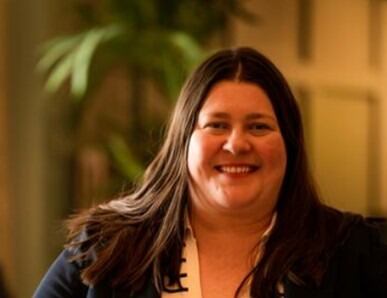
There has been meaningful progress - conversations around equality are more open, leadership diversity is improving (but much slower pace than perhaps we would have hoped), and many businesses are actively reviewing policies and culture.
We are actively mapping out that transparent pay structures, promotions, progression and how we can support the women at Butcombe to feel seen and heard, represented, and developed in however they want to be.
We have launched specific development courses for women in leadership and management and getting ready to launch a new initiative ‘ElHERvate’ that we hope will bring ACTION. However, progress isn’t uniform across the sector, and there’s still work to do in closing gaps in senior representation and ensuring equal access to the opportunity. It’s moving in the right direction, but it’s not finished by any means.
Cathy Olver, retail director, Star Pubs:

When I reflect on my own career over the past 20 years, the progress has been significant.
It was only a decade ago I saw incredibly talented female colleagues stepping away from the workforce because they weren’t offered the flexibility that I have access to today. I feel fortunate to be part of a progressive organisation and to have a supportive manager who understands the realities of raising a young family while still aspiring to lead at a high level. That kind of support makes ambition sustainable, but that hasn’t always been the case.
Jo O’Brien, publican at Hobs Meadow, Solihull:

I believe the pub industry has come quite far in the past couple of decades.
More women are running pubs on their own today than there were 20 years ago. The old boys’ club of going down to the pub with the lads and lock-ins with the landlord while the little woman stays at home is dying out. Women are giving other women the confidence to come into pubs on their own and not feel intimidated and also giving pubs a more homely, welcoming feel.
Vicky Colclough, managing director, Joule’s Brewery

It has come a long way.
There are far more women in senior roles now than when I started. You see women leading operations, running pubs, and heading up brewing teams. That wasn’t always the case.
There is still progress to make but the direction of travel is positive – and that’s important.
Karen Errington, operator of the Rat Inn, Anick, Northumberland:

Though things have improved massively over the past few years and there are many more females in management roles, there is still a long way to go.
Going back to when I first started out there were very few female chefs in kitchens and the ones who you did see were generally pigeonholed on the pastry section, not because they chose that section, but because of persistent societal stereotypes, and because of the laddish culture and hierarchy in kitchens and the view that women couldn’t hack the pressure.
This has changed over the years, the laddish culture is no longer acceptable. I think most businesses recognise the benefits of having a more diverse work environment and the particular qualities that females can bring to the table.
Hospitality is the most people oriented of businesses and having that same diversity within that workplace just makes sense.
Ayesha Kalaji, chef-proprietor, Queen of Cups:
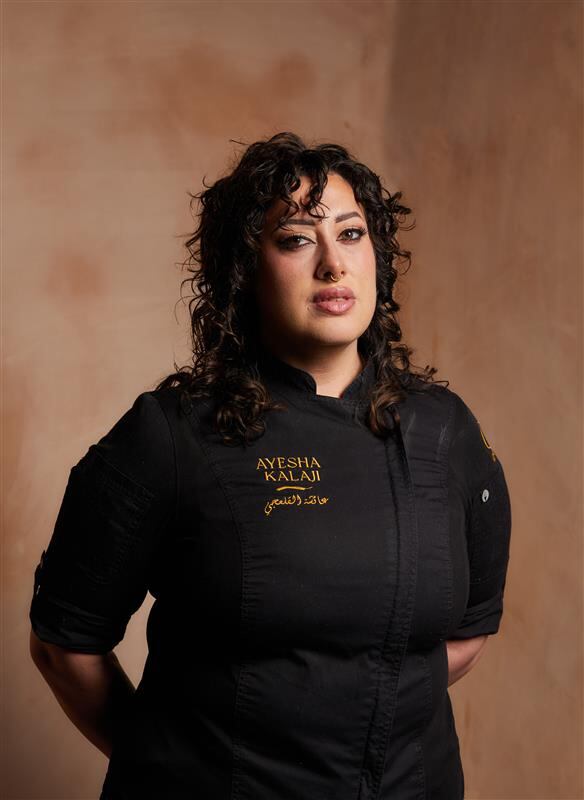
The wage gap has closed by just over 2% in the last year which is a positive step. We also see incredible movements within the industry such as the open letter signed by 70 female chefs last year.
The conversations are open and in public now. There is no more whispering about inequality. Open discourse is how we start the process of enacting change. Furthermore, we are seeing women celebrated for their skill and prowess more regularly.
I am proof of that. In a room of 90% male chefs, I was honoured to receive the Estrella Gastropub Chef of the Year, with the only other woman to have received it being the incomparable Sally Abé.
Larger awarding bodies and industry leaders are recognising women for their talent. We are heading in the right direction, even if we have ways to go!
Molly Davis, head of communications, British Institute of Innkeeping:
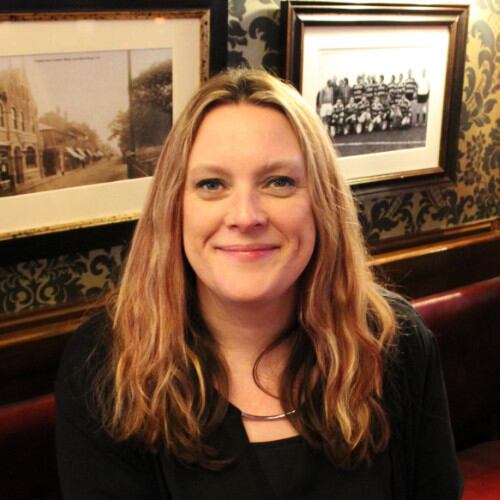
A long way – I truly believe that, but I am fortunate to have had mostly positive experiences in our sector. Maybe I am lucky because of the role I have, the company I work for and the outlook I have though. I have seen lots of examples of terrible behaviours, mostly by people in a position of authority and power (not necessarily always men, but mostly so…) who know they are likely to be safe from consequences because of their privilege.
I specifically think about a time where I had to protect an industry colleague from a man who was not taking no for an answer at the end of an event, which really was appalling. Calling those things out, but in the right way is so important. But so is picking a positive path for yourself.
Surrounding yourself with the right people and not putting up with behaviour that you know is wrong, is key for your own mental health as well as your career. More and more, there are opportunities to find your tribe, which is what is so brilliant about pubs particularly – don’t like a dark boozer with loads of ale? Go to a lively pub with live music down the road and have a cocktail.
Don’t try and fit yourself into someone else’s box, and worst of all, don’t betray yourself by trying to become more like the things you hate – be yourself and drag your tribe along with you! (I love all types of pub, so luckily that isn’t an issue for me.)
Emma McClarkin, BBPA CEO:

When I started seven years ago, I was surprised by the lack of female board representatives and wanted to lead that change, which is why I appointed the first female board member at the BBPA (other than CEO) and have ensured that representation continues.
We also created our award winning #OpenToAll Charter on diversity and equality which our members have signed up to and we monitor their progress year on year. We are definitely seeing more brilliant women rightly rising to the top, and I hope that continues. Hospitality is stronger for it.
Helen Sprason, managed pub area manager, St Austell:

I do believe the industry has genuinely moved forward. The mix of voices, perspectives and experiences we now see in hospitality is stronger than it has ever been, and the way we enable wider collaboration has evolved massively. Technology has made it easier for people from different regions, departments and even industries to connect, share ideas and challenge long‑standing norms together.
We’re also seeing far more leaders across all sectors, not just hospitality, openly challenge the status quo and push for progress. The hospitality industry has always had the ability to adapt quickly, and I think it does support this movement. The challenge now is less about willingness and more about shifting perceptions, ensuring people truly see the sector as a place where diverse leadership styles, backgrounds and life circumstances can thrive.
Another area where we’ve made progress is in reducing the sense that senior opportunity is reserved for those who “fit the mould” or who are already well connected. Historically, progression at the very top could sometimes feel out of reach unless you were already part of certain circles. Today, there is a growing expectation for transparency, fairness and equal access to opportunity.
The industry has moved forward, but continuing that progress relies on us breaking down the outdated perceptions that still linger, and consistently creating space for people who might never before have seen someone like themselves represented in senior roles.
Jen Sloyan, CFO Valiant Pubs:

The industry has come a long way — but we are not at the finish line.
Compared to even a decade ago, conversations around equality, pay transparency and leadership representation are far more open. There are more women leading departments, owning businesses and shaping strategy than ever before. That progress should absolutely be recognised.
However, senior executive and board-level representation still does not fully reflect the talent pool within the industry. Progress has been meaningful, but uneven. The next phase requires moving from conversation to consistent, measurable outcomes.
Dawn Browne, chief people officer, Fuller’s:

A long way in the last generation for sure. One of my colleagues, Jane Bravey, who is now a head of operations, had her first management position in 1996 at the Boat in Berkhamsted and, at the time, she was one of only seven single female GMs at Fuller’s.
Today, nearly half are single females. I imagine we are pretty typical of other pub companies, so that’s a great example of exactly how far the industry has come.
Linda Kennedy, director of investment and growth - property, Punch:

You only must look at the gender pay gap across the industry to know there is still a long way to go.
How much talent gets lost on the “broken rung”. I also think there is a bigger issue with poor behaviour around gender than the industry would admit, that gets brushed under the carpet.
Businesses hiding behind non-disclosure agreements and pay-offs rather than dealing with unacceptable behaviour. We need to know that unacceptable behaviour will be dealt with appropriately
Karen de Koning, GM at Grove of Narberth:

I believe the hospitality industry has come a long way in advancing gender equality. Speaking from my own experience, I have never felt at a disadvantage for being a woman. I completed my apprenticeship in Austria and have now worked in the UK for the past 14 years, and throughout that time I’ve never been overlooked for promotions or opportunities because of my gender.
I know that many women before me faced far greater barriers, and it’s clear that the progress made over the years has opened doors that weren’t always open to them.
While there is still more work to be done across the industry, my own career journey shows how far we’ve come. I’ve been fortunate to grow, develop, and step into leadership roles in environments where my contribution mattered more than my gender and that in itself is a sign of real, meaningful change.
Kim Toft, co-owner of Daddy Marmalades:
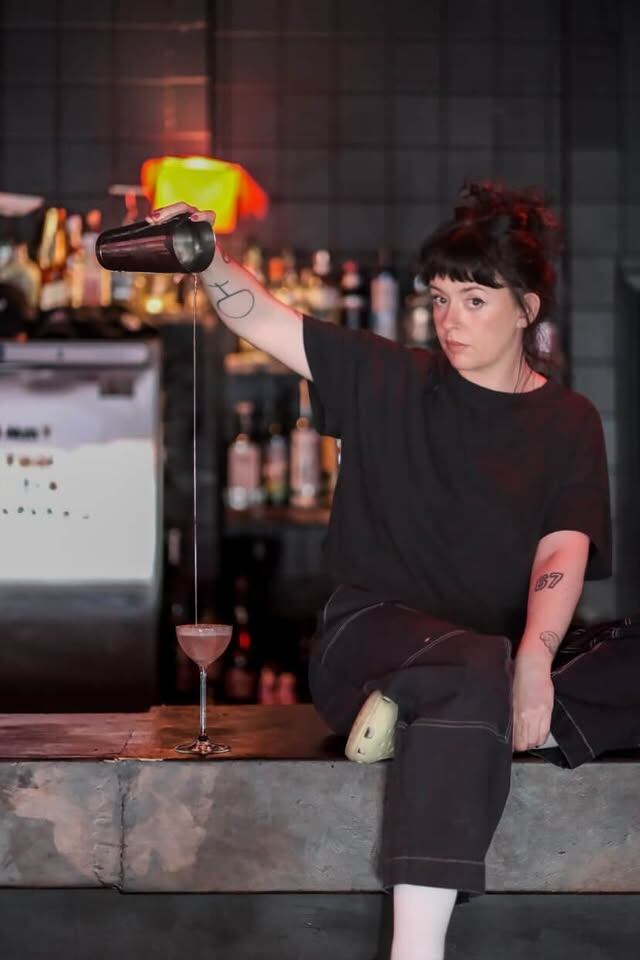
I think we’ve come a long way but still have a long way to go.
Gemma Persechino, general manager of Dog and Pickle:
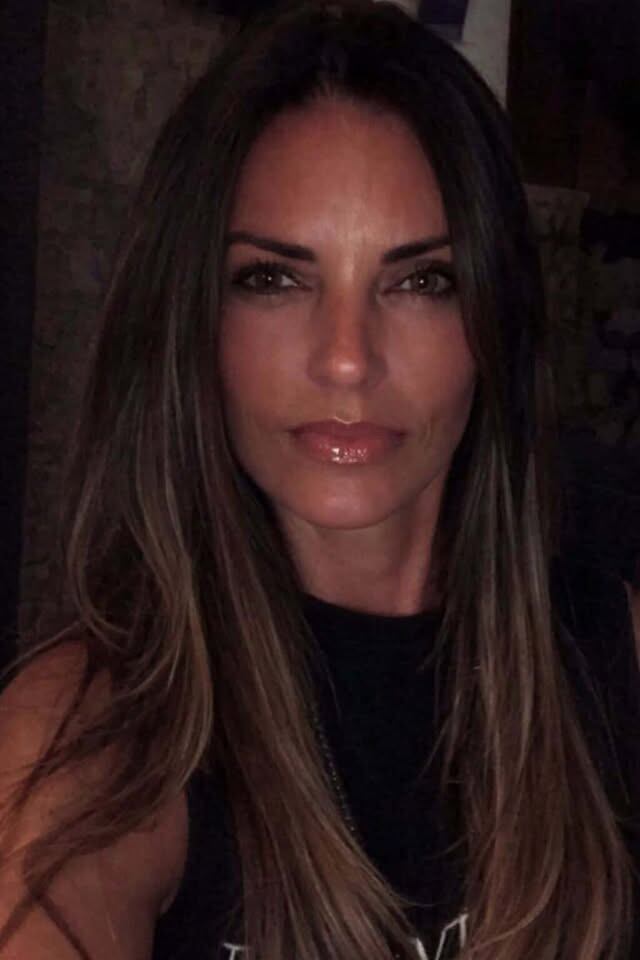
It’s moved forward. But equality isn’t just about who works there — it’s about who thrives, who leads, and who has security.
Justine Lorriman, licensee of the Royal Dyche in Burnley, Lancashire:

It’s massively improved; there are more female chefs and more women running multiple sites, but there’s still a long way to go to be on equal ground.
Nina Matsunaga, chef/operator at the Black Bull at Sedbergh:

We’ve come a lot further furthering women, carving out women’s spaces etc but there is a lot more work to do.
Katie Baldock, operator of the Bird in the Hand in Princes Risborough (Oak Taverns site):

I’m sure it’s come leaps and bounds over the past 20 years. I personally don’t notice too much gender inequality from where I am other than having more male managers than female in the past.
As a woman running a pub I am well respected by my pub group and my community - I’ve only occasionally had a “where’s the landlord” enquiry.
Nicola Tickle, co-owner of Heft in Cumbria:

In my adult lifetime, we have come so far, but we’re not nearly at the end point. Casual sexism, abuse or sexual harassment is tolerated far less by younger generations, and I’m more than happy to see that behaviour relegated to the past.
Charley O’Toole, chief of staff, Chestnut Group:

Generally, there has been progress. There are more women in leadership roles than ever before, and many barriers that once felt immovable are being challenged and broken down.
I feel fortunate to work in an environment where my voice isn’t just for representation or reporting - I genuinely influence change and contribute to shaping strategy.
Personally, I will continue being a voice for change, helping to create space for others and pushing for more inclusive pathways to leadership. That said, progress isn’t consistent.
While some companies actively embrace inclusion and adapt to the world we’re in today, others remain resistant to change, holding onto outdated structures and mindsets. So yes, we’ve moved forward but the pace and commitment still vary widely.
Georgina Young, brewing director and head brewer, St Austell Brewery:
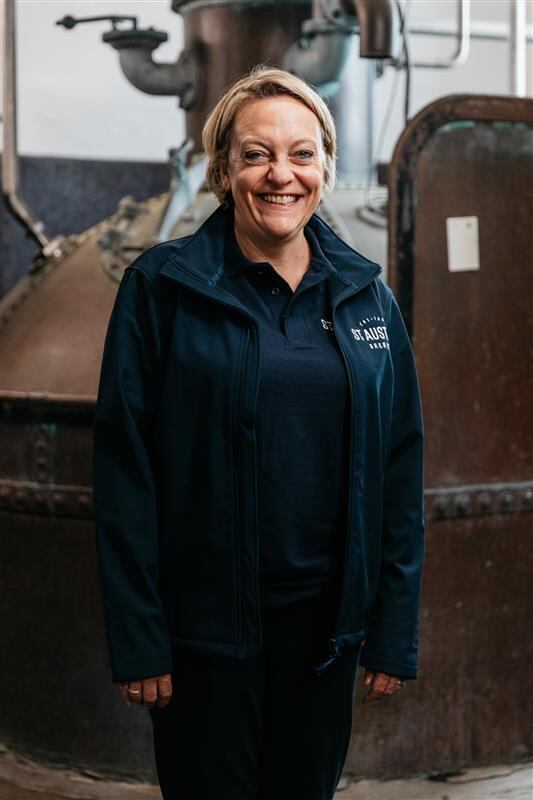
It’s come an enormous way. When I first started, I only knew of a couple of women in brewing - Moyra Williams and Emma Gilliland were the two women everyone knew because there were so few of us.
Now, I meet brilliant women across every part of the industry, from brewing and lab work to production management, sales and hospitality leadership. The shift has been huge, and it’s genuinely wonderful to see. At St Austell Brewery, our leadership team is almost a half and half gender split.
Emma Heal, managing director, Lucky Saint:

I joined Lucky Saint six weeks before lockdown with two daughters under two. Remote networking during Covid helped me as a new mum and new to the sector. The old model of frequent late-night socialising would have been tough.
For many women, though, Covid set progress back as they carried most of the childcare.
Looking ahead, AI concerns me. Women make up only 22% of the AI workforce. Some tools already downgrade women’s CVs. Who builds and funds AI shapes which problems get solved and whose lives it serves.
Jacqueline Fox, co-director of the Barrelman in Dundee and Bruach in Broughty Ferry

It has come a massive way! When you look at the industry now, some of the most innovative and successful pubs, breweries and suppliers in the UK are being led by women.
We’re seeing progress, moving past the old ‘boys club’ stereotype and into an era where the sector is far more welcoming and accessible. Like all industries, it still has a long way to go to achieve true equality with arguably a higher hill to climb, but it is certainly heading in the right direction.
Claire Cleland, property manager for Star Pubs

I’ve seen a big shift in the past 14 years. When I started out in the pub industry I rarely met a solo female publican and, if they were working as part of a couple, the man tended to lead. That’s all changed. I meet lots of great women licensees now who are going it alone or as equal partners. Licensees are visible in their business; it’s very inspiring for the next generation who can see strong women leaders front of house.
The same is true of pub companies. Once it was unusual to see women in senior positions – now, certainly at Star Pubs, it’s much more the norm. For example, half of Star Pubs’ leadership team are women.
It’s motivating to know those roles are open to us. That’s not to say the work is done, there are still plenty of jobs, such as business development managers, and in my role, where the pace of change is slower. It’s not for want of trying by the industry though – it’s just the volume of applications from women isn’t coming through. We must keep up the campaign to overturn old stereotypes and attract women to apply.
In terms of catering for customers, pubs have come a long way over the last two decades, aided by more inclusive designs and layouts. The emphasis is on making customers of all kinds feel welcome and at home; it’s built into the design process we follow.
For instance, windows are larger, enabling people to see in before they enter, and we use subtle zoning so that different groups of customers can enjoy a whole range of occasions simultaneously at their local. The finishes, fabrics, furniture and flooring types, as well as the lighting and music volume, will naturally guide customers to where they might feel most comfortable.

