
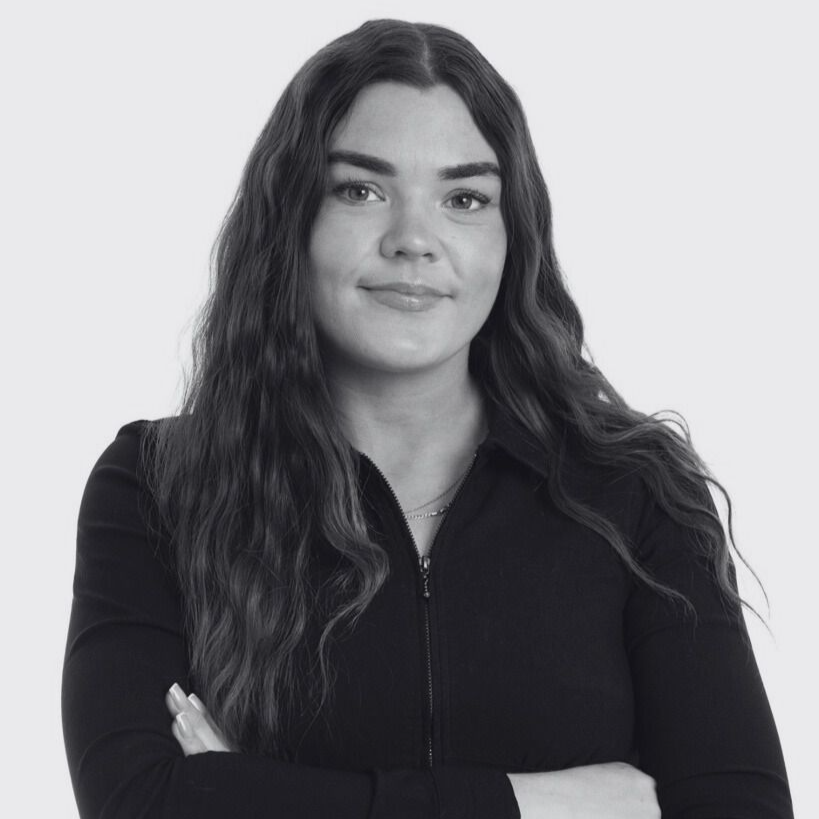

Chief executive Miles Slade told The Morning Advertiser (The MA) the independently owned operator was working through a pipeline spanning protective, operational and transformational investment, with its first major transformational project expected to begin in the new year.
Join our WhatsApp channel: The Morning Round-Up
Get the biggest pub trade stories straight to your phone. Listen to our one-minute daily news briefing and receive breaking news, exclusives and sector updates throughout the day. Remember to turn notifications on in the top right corner!
“I would hope that all of our pubs would have some level of investment put into them, whether it’s small, big or medium. You can never stand still in pubs. You always have to keep trying to do things and make them better.”
‘Transformational’ capex
Slade, who joined Market Taverns in February before becoming CEO in September, said the business had initially focused on catching up with protective investment across the estate.
Operational capex has also included changes at the Market Porter aimed at improving service speed, including repositioning glasswashers, beer fonts and tills.
The next stage will include larger customer-facing projects designed to create what Slade described as a “signal of change”.
“We’re hoping in the new year to embark upon our first big transformational capex project,” he said.
The project will involve a major change at one of the group’s pubs, although further details are yet to be announced.
Market Taverns has not set a public capex figure for the coming year, with Slade saying projects would be assessed according to individual site requirements.
“We’ve got plans afoot for a number of things. We’re still working through what we want to do.”
Creating additional trading space is one of the main opportunities identified across the estate.
Slade said pubs needed to maximise capacity during peak trading periods as busy days became busier while quieter periods remained challenging.
This echoes comments from Pub People Company managing director Andy Crawford yesterday, who also highlighted the importance of using capex to create more trading space and maximise wet-led opportunities across the estate.
“Being able to take full advantage of the busy periods is really important,” Slade said.
Even relatively small changes could create additional covers, he added, such as introducing standing areas or drink shelves where space allows. “The big cash generator or sales generator would be covers and the ability to serve more customers.”
Food investment
Food will also form a significant part of Market Taverns’ investment strategy.
All 14 pubs offer food, although propositions vary across the estate, including two sites operating resident kitchen partnerships.
The group recently launched new menus at a number of pubs and is encouraging chefs to develop more specials and greater menu innovation.
Slade said Market Taverns was working on an “elevation project” designed to improve the quality of its existing offer.
A further transformational investment linked heavily to food is also planned at one site.
“We will be investing more in food, we already are investing in this space quite heavily.”
The plans follow Market Taverns’ wider push to strengthen its independent London identity, including greater collaboration with local brewers.
The group is currently running its first cask ale festival across 11 pubs, featuring 59 beers from independent producers.
Selective expansion
Alongside investment in its existing estate, Market Taverns remains open to acquisitions.
Slade said the group was receiving several opportunities each week but had yet to find one which met all its requirements.
Its preference remains London, particularly zones one to four, with North and East London currently underrepresented within the estate.
“We’re cautious with what we want to do because we want to get the sites right and not rush into things,” he said.
The group is not targeting rapid expansion, with Slade saying the ambition was to add around five to 10 high-quality pubs rather than pursue scale for its own sake.
“We have no ego about getting to a very big number of pubs,” he said.
Looking ahead, Slade said success would mean creating visible changes customers recognised and valued.
“I would like to have established some things that people talk about, some signals of change that customers enjoy and can see and make the pubs busier,” he said.
“Most importantly, [we want] 14 or more pubs that we’re incredibly proud of and we feel offer the customer the best experience.”


